
Kitten Supplies & Cat Pregnancy Products
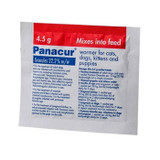
A kitten wormer should be used at the same frequency as the mother from 2 weeks of age as roundworm is passed from mothers milk and can make kittens unwell and potbellied in appearance due to a high worm burden.
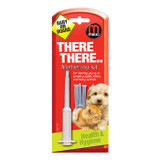
Colostrum is a special type of milk that replicates the first few days of mothers milk and can help kittens rejected by the nursing queen or those suffering from malnutrition, this can be followed on with milk replacer. Whelping kits and bottles can assist in feeding a young kitten by hand.
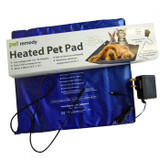
Kittens need to be kept warm and heat lamps can be used with care in lower temperatures.

How to tell if a kitten has worms
Kittens with worms may develop a swollen belly despite being underweight, have diarrhoea, vomiting or poor weight gain. You might also notice worms or worm segments in their faeces or around the tail. Other signs include a dull coat, reduced energy and increased appetite without healthy growth. Because several types of worms can affect kittens, symptoms may vary. A veterinary examination and faecal test can help confirm the cause, which will allow you to select the most appropriate treatment for your cat.
How often should I worm kittens?
Regular worming is an important part of kitten care because young cats are particularly vulnerable to intestinal parasites such as roundworms and tapeworms. A common schedule is to worm kittens every two weeks from around three weeks of age until they are 12 weeks old, then monthly until they reach six months. After that, adult worming schedules usually apply. The ideal frequency depends on factors such as age, lifestyle and veterinary advice, so always follow the guidance provided for your kitten and ensure that the worming schedule you have for them is appropriate for their own circumstances.
What is milk replacer for kittens?
Kitten milk replacer is a specially formulated milk substitute designed to provide the nutrients newborn and young kittens need when their mother cannot feed them. Unlike cow's milk, which can upset a kitten's digestive system, kitten milk replacer contains balanced levels of protein, fat, vitamins and minerals to support healthy growth and development. It can also be used to supplement feeding for larger litters or kittens that are not gaining weight as expected, if done under veterinary guidance.
Can puppy milk replacer be used for kittens?
Puppy milk replacer is not recommended for kittens because puppies and kittens have different nutritional requirements during early development. Kitten milk replacer is formulated with the correct balance of protein, fat, energy and essential nutrients to support healthy feline growth. Using puppy milk replacer for an extended period could lead to nutritional deficiencies. If kitten formula is temporarily unavailable, speak to a vet as soon as possible to find the safest feeding option for your kitten.
When should you stop bottle feeding a kitten?
Most kittens begin the weaning process at around four weeks of age and are usually fully weaned by eight weeks. As they become interested in solid kitten food, bottle feeds are gradually reduced while their intake of wet or softened dry food increases. Every kitten develops at a slightly different pace, so it is important not to rush the transition. Continue monitoring weight, appetite and hydration throughout weaning to make sure your kitten is growing steadily.